What if the next breakthrough in women’s health begins with a question that has gone unanswered for too long?
Why do some women experience recurrent reproductive tract infections despite repeated treatment? Why can a condition such as endometriosis remain undiagnosed for years? How can cervical cancer screening become more accessible? What would it take to make menopause care more responsive to African women’s needs?
Across Africa, researchers and innovators are investigating questions such as these. Their work spans laboratory science, clinical research, digital health, medical technology, public health and entrepreneurship.
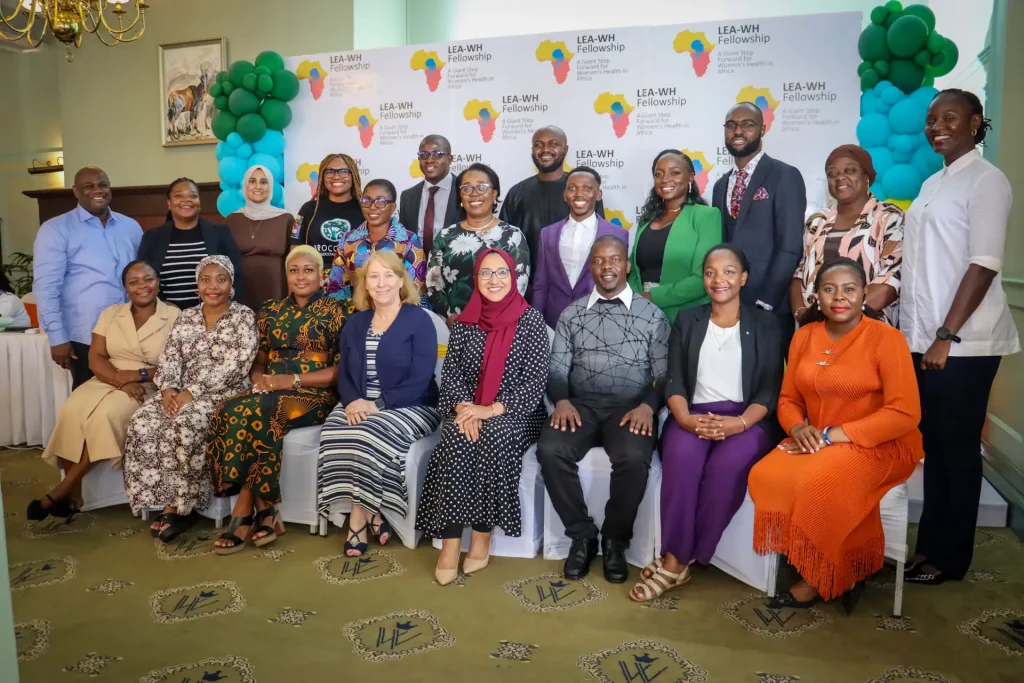
The inaugural cohort of the Leadership for Innovation and Excellence in Accelerating Research on Women’s Health (LEA-WH) Fellowship brings together 20 mid-career African leaders whose projects address a diverse range of women’s health priorities.
Selected from 11 African countries across four regions, the fellows represent two complementary groups: researchers seeking to generate evidence that can improve health outcomes and inform policy, and product developers and innovators working to advance practical solutions.
Their projects differ in scope, methods and stage of development. Some investigate the causes of health conditions or barriers to care. Others explore diagnostic technologies, digital platforms, integrated screening approaches and new products.
Together, they illustrate an important principle: improving women’s health requires both a better understanding of the problems and the ability to translate that understanding into solutions.
This edition explores the questions behind their work and what those questions reveal about the future of African-led women’s health innovation.
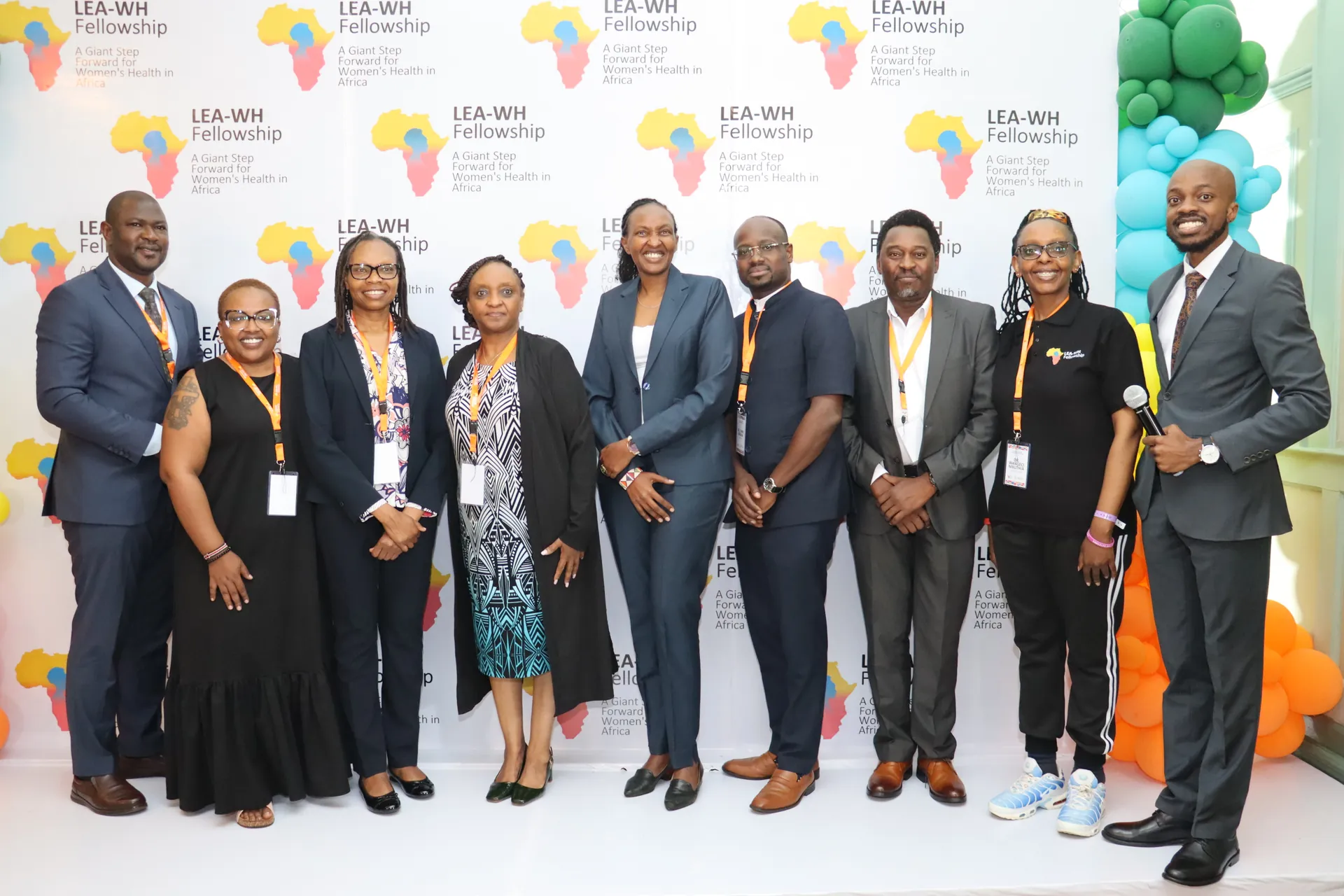
Question 1: How can we detect women’s health conditions earlier and more accurately?
Early and accurate diagnosis can influence treatment decisions, reduce delays in care and help women avoid the consequences of conditions that go unrecognized.
Yet diagnosis is not always straightforward. Some infections may cause few noticeable symptoms. Other conditions have symptoms that overlap with those of different illnesses. In settings where specialist services or diagnostic technologies are difficult to access, women may face additional barriers.
Several LEA-WH fellows are exploring ways to improve how women’s health conditions are identified.
Understanding the vaginal microbiome
In Nigeria, Dr. Onyekachi Ewa Ibe is investigating cervical-vaginal dysbiosis and the potential of microbiome research to advance preventive and translational women’s health innovation.
Her work is motivated by clinical observations of recurrent infections and the gaps in prevention and long-term management that these experiences can reveal.
The vaginal microbiome consists of microbial communities that play a role in the vaginal environment and reproductive health. Understanding how these communities vary, and how changes are associated with particular health outcomes, may help researchers identify more appropriate approaches to prevention and diagnosis.
Dr. Ibe’s project seeks to strengthen understanding of microbial patterns among African women and their associations with conditions such as recurrent infections, infertility and adverse pregnancy outcomes.
Her longer-term ambition is to contribute to affordable point-of-care diagnostic tools that could help identify microbial imbalance earlier, particularly in low-resource settings.
The important question is how research findings can be translated into reliable diagnostic approaches that are suitable for the populations they are intended to serve. That will require further evidence, appropriate validation and careful consideration of how such tools could be used in clinical practice.
Exploring context-specific diagnostic technologies
In Kenya, Dr. Kadryn Kadasia-Tangai is working on context-specific artificial intelligence-enabled diagnostics for rapid vaginal health assessment.
Her project brings together scientific research, diagnostic technology and health systems design. Through her company, Misala, she is focused on developing affordable, culturally relevant diagnostic and care solutions for African women, beginning with vaginal health.
The wider opportunity is to explore how diagnostic technologies can be adapted to the settings where they are needed, including environments with limited infrastructure.
However, the value of an AI-enabled diagnostic approach depends on more than the technology itself. It requires appropriate clinical evidence, representative data, reliable performance, attention to privacy and bias, and a clear understanding of how the results will guide care.
These considerations are central to moving from a promising technical concept towards a useful health solution.
Investigating integrated diagnostic approaches
In South Africa, Dr. Fezile Bongekile Khumalo is advancing work on a modular loop-mediated isothermal amplification (LAMP)-based diagnostic platform for women’s reproductive health.
LAMP is a molecular technique that can amplify genetic material under relatively simple temperature conditions compared with conventional PCR approaches. Its potential applications depend on the specific test, target and clinical setting.
Dr. Khumalo leads the Translation Hub at the University of Cape Town’s Institute of Infectious Disease and Molecular Medicine. Her work includes contributions to GIFT, a point-of-care screening tool for genital inflammation that is undergoing regulatory validation in South Africa.
Her experience illustrates an important part of the innovation pathway: the movement from scientific discovery towards a product that can be evaluated, validated and potentially used in practice.
Across these projects, the shared question is not simply whether a diagnostic technology can be developed. It is whether it can provide reliable information, fit the intended healthcare setting and improve decisions about prevention, treatment or referral.
An innovation becomes meaningful when it helps answer a real clinical question and can be used appropriately where care is delivered.
Question 2: How can women receive a diagnosis before a condition causes greater harm?
Some women’s health conditions remain under-recognized because their symptoms are misunderstood, their screening pathways are difficult to navigate or their consequences emerge over time.
Improving outcomes may require better diagnostic tools, but it may also require changes in clinical practice, service delivery and public awareness.
Could symptom tracking help shorten the path to an endometriosis diagnosis?
In Nigeria, Dr. Kenneth Toby Maduako is exploring a digital symptom-tracking and risk-stratification model to accelerate laparoscopic diagnosis of endometriosis among women in low-resource settings.
Endometriosis is a condition in which tissue similar to the lining of the uterus grows outside the uterus. It can be associated with pelvic pain, painful menstruation, pain during sexual intercourse and fertility difficulties, although experiences vary.
The project asks whether structured symptom information and risk assessment could help identify women who may need further evaluation and support more timely clinical decision-making.
A digital approach could potentially help organize information that might otherwise be difficult to capture consistently during consultations. However, symptom tracking alone cannot establish a definitive diagnosis. Its usefulness would depend on how accurately it identifies risk, how clinicians interpret the information and whether appropriate diagnostic services are available.
The wider lesson is that digital health tools are most valuable when they strengthen the clinical pathway rather than operate separately from it.
Can cervical cancer care become more accessible and responsive?
Cervical cancer features prominently in the cohort’s research and innovation portfolio, with fellows examining screening uptake, sample collection, follow-up and integrated service delivery.
In Nigeria, Dr. Chinelo Cynthia Nduka is developing a gender-responsive approach to cervical cancer care. Her project focuses on community norms and adaptations within health systems that could help improve screening and treatment uptake.
Her work recognizes that access to care is influenced by more than the availability of a service. Social expectations, gender dynamics, knowledge, trust and the way services are organized can affect whether women seek screening and complete recommended care.
In Ethiopia, Ms. Gelila Biresaw Sime is investigating the comparative effectiveness of clinician-led, self-collected and health extension worker-assisted HPV screening sample collection in a three-arm cluster randomized controlled trial.
The study focuses on sample quality and uptake. It addresses a practical question: could alternative sample collection approaches help make screening more accessible while maintaining appropriate quality?
In Uganda, Dr. Rogers Kajabwangu is exploring whether an enhanced antiretroviral treatment adherence package can be adapted to improve follow-up after treatment for cervical intraepithelial neoplasia among women living with HIV.
His project highlights a crucial part of cervical cancer prevention: screening and treatment are not the end of the care pathway. Appropriate follow-up is also necessary.
In Malawi, Dr. Leonard Naphazi Kambewa is developing an integrated screening innovation that combines attention to sexually transmitted infections and cervical cancer.
The concept, expressed in the project’s title, “One Visit, Two Lives Saved,” emphasizes the possibility of addressing multiple health needs through a coordinated encounter. Its potential value will depend on the design, clinical performance, feasibility and implementation of the proposed approach.
These projects address different points along the pathway from prevention to follow-up. Together, they demonstrate why improving cervical cancer outcomes requires attention to technology, patient experience, clinical systems and continuity of care.
Question 3: What if menstrual health could reveal opportunities to improve women’s health more broadly?
Menstrual health is often discussed in relation to menstrual hygiene and reproductive health education. However, menstrual experiences can also be important indicators of health needs that deserve further assessment.
Two fellows are exploring how research and person-centred approaches could improve the recognition and management of heavy menstrual bleeding.
Dr. Helen Habibata Habib is focusing on person-centred diagnosis and management of heavy menstrual bleeding across the reproductive life course, with her fellowship proposal framed around care in Kenya.
Her work draws on multidisciplinary research and a commitment to generating evidence that reflects women’s experiences. The central concern is how diagnostic and management approaches can better respond to women’s needs, circumstances and preferences.
Dr. Sitsofe Gbogbo, based in Ghana, is investigating heavy menstrual bleeding as a potential early marker of cardiovascular risk.
Her project proposes a two-stage, deliberative, art-based participatory qualitative study to co-design acceptable and feasible prototypes for integrating menstrual health, anaemia and cardiovascular disease screening within reproductive health services in Ghana’s Volta and Oti regions.
This is an example of an approach that seeks to connect different health concerns rather than treat them in isolation.
Heavy menstrual bleeding can be associated with iron deficiency and anaemia. The proposed research will explore how menstrual health services might offer opportunities to identify additional health needs. The project’s cardiovascular focus should be understood as a research question to investigate, not as evidence that heavy menstrual bleeding alone establishes cardiovascular risk.
Both projects also raise an important issue: women’s experiences and preferences must inform how services are designed.
A technically sound intervention may still fail if it is difficult to access, unacceptable to users or disconnected from the realities of their lives.
Question 4: How can Africa strengthen prevention and care for reproductive tract infections?
Sexually transmitted infections and other reproductive tract infections are among the prominent themes in the inaugural cohort.
These conditions can affect women’s health in different ways, including through complications associated with untreated infections. Some infections may be asymptomatic, creating challenges for detection and timely treatment.
The fellows’ projects explore different parts of this problem, from understanding infection biology to improving education, diagnosis and service delivery.
In Cameroon, Dr. Mbah Clarisse Engowei’s work focuses on Chlamydia trachomatis and Neisseria gonorrhoeae, investigating microbial and host genetic factors that may help explain differences between symptomatic and asymptomatic infection.
Her proposed research seeks to strengthen the evidence available from endemic settings by bringing together approaches such as whole-genome sequencing, microbiome profiling and host immunogenetic analysis.
The long-term objective is to contribute to better-informed screening, treatment and fertility preservation strategies.
Also in Cameroon, Dr. Wepnje Godlove Bunda is investigating female genital schistosomiasis, a neglected condition associated with infection by Schistosoma haematobium.
His work focuses on improving diagnosis, treatment and control in rural and semi-urban endemic areas. It includes efforts to understand the experiences of affected women and girls and evaluate diagnostic approaches that could reduce misdiagnosis.
In Nigeria, Dr. Airat Adeola Bakare is exploring ways to integrate reproductive health education, early detection and care for sexually transmitted infections and HIV.
Her project seeks to translate research into practical interventions, including improved reproductive health literacy and approaches to encouraging early recognition and help-seeking.
In Botswana, Dr. Aamirah Mussa is investigating male partner engagement as a strategy to reduce sexually transmitted infections among adolescent girls and young women.
This work acknowledges that women’s health outcomes can be influenced by relationship dynamics and the wider social environment. Carefully designed partner engagement may offer opportunities for prevention, provided that women’s autonomy, privacy and safety remain central.
In Zimbabwe, Dr. Nyasha Manyeruke is evaluating an AI-enabled telemedicine pathway intended to optimize STI care for adolescent girls and young women through the YouthWyze digital health application.
The project explores how digital platforms could potentially improve access to information, assessment and care. Its impact will depend on clinical safety, appropriate referral and treatment pathways, data protection and the ability of users to access and trust the service.
Although the approaches differ, these projects share an important objective: to strengthen the connection between recognizing a health need and receiving appropriate care.
Question 5: How can women’s health services better support women through midlife and menopause?
Women’s health does not end with pregnancy, childbirth or the reproductive years commonly emphasized in healthcare programs. Menopause and midlife health are also important areas for research, service development and public understanding.
Yet women may encounter gaps in information, diagnosis and support as they experience the physical and social changes associated with midlife.
In Cameroon, Dr. Marie Thérèse Esengwa Keka is developing a fully integrated digital menopause health platform for Africa.
Her work builds on clinical experience and community engagement in menopause care. She founded TEKHI Global for Menopause Health and established an online menopause health platform in Cameroon.
Her longer-term vision is to scale an integrated digital approach tailored to African women’s needs and strengthen the policy attention given to menopause care.
In The Gambia, Dr. Uduak Adiakot Okomo is conducting a mixed-methods population study of reproductive ageing and midlife women’s health.
Her project extends her work across maternal and newborn health into a broader life-course perspective, seeking to strengthen the evidence available on menopause and midlife health among Gambian women.
In Nigeria, Dr. Joy Ifunanya Odimegwu is developing Menopause Reset™, a phytomedicine-based nutraceutical intended to manage menopause symptoms.
Her work brings together pharmacognosy, plant-based research and product development. The proposed product will need appropriate scientific evaluation and evidence of safety and effectiveness before its benefits can be established.
These projects illustrate different approaches to the same broad need: better evidence, more accessible information and appropriate options for women experiencing menopause.
They also highlight the importance of distinguishing between a promising product concept and a treatment whose clinical benefits have been demonstrated.
Question 6: Can locally developed products improve access while strengthening African manufacturing?
Women’s health innovation can also create opportunities to develop products using locally available expertise, materials and manufacturing capabilities.
In Malawi, Mr. Kennedy Mulungu is developing alginate-based biodegradable sanitary pads and wound dressings, with an emphasis on local manufacturing.
His work brings together biotechnology, entrepreneurship and sustainable product development. The wider ambition is to explore whether biomaterial technologies can contribute to accessible products while reducing reliance on imported alternatives.
The project’s potential will depend on product performance, safety, manufacturing feasibility, affordability, quality assurance and the ability to establish reliable supply chains.
It also raises a broader question about innovation: how can African countries strengthen their capacity not only to identify health needs, but also to manufacture and supply solutions that respond to them?
This question is relevant across medical devices, diagnostics, digital health and other product categories.
Local manufacturing is not automatically more affordable or sustainable in every circumstance. However, when supported by appropriate technology, quality systems, financing and market demand, it may create opportunities to strengthen local production capabilities and improve supply resilience.
Question 7: How can digital innovation improve access to reproductive healthcare?
Digital health features in several fellowship projects, but the approaches differ.
In Kenya, Joel Alex Olang is advancing M-Kliniki, an AI-enabled telehealth initiative focused on contraceptive access and women’s health equity. His broader work integrates digital health services and explores how frontline innovations can connect with wider health-system and financing reforms.
In Zimbabwe, Dr. Nyasha Manyeruke is exploring an AI-enabled telemedicine pathway for STI care through YouthWyze.
In Cameroon, Dr. Marie Thérèse Esengwa Keka is developing a digital menopause platform.
In Nigeria, Dr. Kenneth Toby Maduako is investigating digital symptom tracking for endometriosis.
These examples demonstrate that digital health is not a single intervention. It can support access to information, organize symptoms, facilitate remote consultations, improve service navigation or connect users with appropriate care.
The important question is whether the digital tool improves the overall experience and effectiveness of healthcare.
Digital platforms must be designed around clinical needs and user realities. Connectivity, digital literacy, affordability, privacy, safety and integration with existing services can all influence whether an intervention is useful.
Technology can help remove barriers, but it cannot replace the clinical, social and institutional support needed to deliver quality care.
What connects these projects?
The projects described above span different countries, disciplines and stages of development. Some focus on generating new evidence; others explore product development, service delivery or digital innovation.
Their shared purpose is to address meaningful women’s health needs through approaches that can be investigated, refined and potentially translated into practice.
Three themes emerge.
First, earlier and more appropriate diagnosis matters. Several projects seek to improve the recognition of conditions, the accessibility of screening or the information available to clinicians.
Second, solutions must reflect women’s experiences. Person-centred care, community engagement, gender-responsive services and attention to stigma and access are recurring concerns.
Third, research and innovation need pathways to implementation. A study or prototype is an important beginning, but further development, evaluation, financing and collaboration are often necessary before it can make a difference at scale.
These themes explain why the fellowship combines researchers and innovators rather than treating their work as separate activities.
How will LEA-WH help the cohort advance?
The fellowship provides a structured environment for fellows to strengthen their proposals, engage with mentors and build relationships across disciplines.
Through its learning platform, expert-led sessions, mentorship and leadership development activities, fellows are supported to develop the capabilities required to advance their work.
The in-person convenings provide additional opportunities for orientation, technical exchange, progress review and dissemination.
The Women’s Health Ecosystem Forum (WHEF) is particularly relevant to the development of innovations and the review of progress, while the Science X Africa Summit is intended to create a broader platform for sharing work and engaging with the scientific, policy and innovation communities.
These activities form part of a longer development journey. The extent to which individual projects progress will depend on their starting points, the evidence they generate, the challenges they encounter and the opportunities available to them.
The fellowship provides a platform for that progression; it does not guarantee that every project will reach commercialization or implementation during the program.
Twenty fellows. Multiple disciplines. A shared ambition.
The inaugural cohort includes 12 Reproductive Health Researchers and eight Product Developers/Innovators from 11 countries across four African regions.
The program booklet reports that 14 fellows are women and six are men, reflecting a cohort in which women constitute 70% of participants.
This diversity offers opportunities for fellows to learn from different health systems, scientific traditions and professional experiences.
It also provides a foundation for potential collaboration across countries and disciplines. Such collaboration could support multicountry research, shared learning and the development of solutions that are better adapted to different contexts.
Realizing this potential will require continued engagement, practical collaboration and attention to differences in national research environments, regulatory requirements and health systems.
The next question: what happens after the idea?
The inaugural LEA-WH cohort demonstrates the range of questions African researchers and innovators are asking about women’s health.
The work spans early diagnosis, infection prevention, menstrual and midlife health, cervical cancer, digital services, biomaterials and integrated care.
Each project represents an opportunity to generate evidence, test an approach or develop a solution. But the journey from a promising idea to an effective intervention involves more than technical expertise.
It requires mentorship, validation, funding, appropriate regulation, partnerships and routes to adoption.
In the final edition of this series, we explore how LEA-WH intends to connect these elements, support fellows beyond the initial development stage and contribute to a more connected African women’s health innovation ecosystem.
Coming next · Series 03
From Ideas to Impact: Building Africa’s Women’s Health Innovation Ecosystem →
African-led research. Contextually relevant innovation. Stronger pathways to impact.